
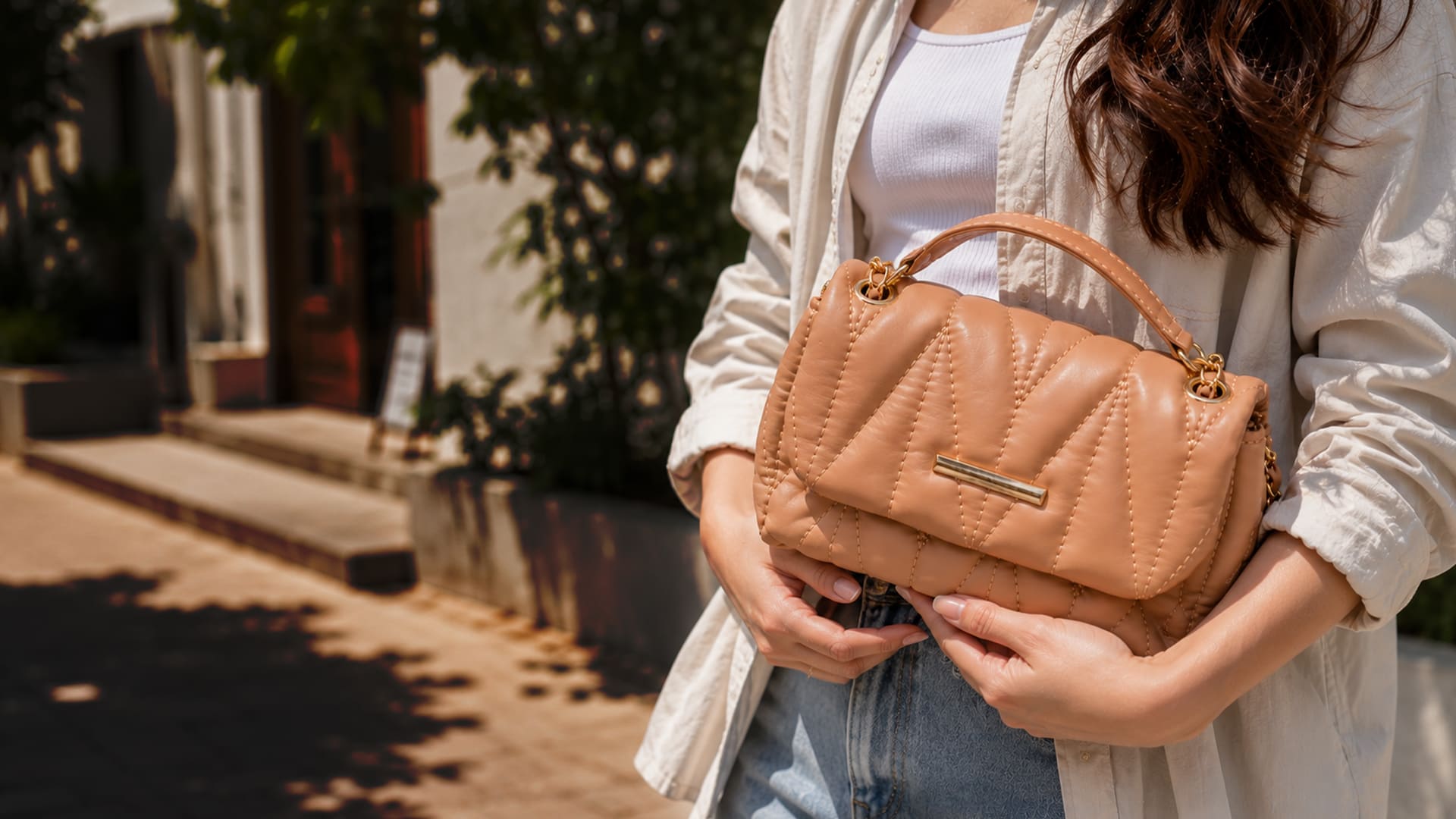
Are You Carrying the Same Handbag Too Often? Signs It’s Time to Switch
You tend to solve a daily styling problem, when you find a handbag that works with your daily routine. Such a handbag holds everything you regularly need, feels comfortable to carry, and works with many outfits. In some time, you start automatically reaching for it.
Having a dependable handbag is no doubt useful, but when you carry the same one repeatedly, it tends to make your outfits feel repetitive. Besides, it can put unnecessary wear on your bag as well. When you’re changing your handbag occasionally, it doesn’t always mean that you’re following trends.
It helps you match different occasions, organize your belongings, and even explore different proportions as well. This helps in giving your frequently used handbags a much-needed break as well.
Your Handbag Has Become an Automatic Choice
When you no longer actively choose a handbag, it is the clearest sign that you may be carrying the same handbag too often. You’re getting dressed up, gathering your belongings, and reaching out for the same handbag, without even considering that another option may have been much better.
Thus, convenience tends to take over your overall decision-making capabilities. While having a dependable everyday handbag is nothing wrong, accessories tend to contribute to the overall appearance of an outfit. The same handbag accompanying every combination means that different outfits suddenly begin to feel surprisingly similar.
When you occasionally consider another shape, color, or texture, you’re hitting the refresh button, without even requiring any major wardrobe upgrades at all.
It No Longer Matches the Occasion
Your handbag may be appropriate for everyday errands, but it isn’t necessary that it will suit every situation as well. Different practical requirements are created by different activities. While a spacious shoulder bag may work well during a busy day, when you need several belongings, a smaller handbag makes more sense, if you’re carrying only a few essentials.
Consider both function and appearance before leaving home.
Ask yourself what you actually need to carry, how long you will be away, and whether the handbag complements the setting. Choosing according to the occasion can make the accessory feel intentional rather than habitual.
Your Outfits Are Starting to Feel Repetitive
Sometimes the clothing is not the reason an outfit feels familiar. The accessory might be responsible.
A handbag occupies a noticeable visual position, especially when carried over the shoulder, across the body, or by hand. Using the same bag repeatedly means the same color, silhouette, hardware, and texture continue appearing alongside different clothes.
Try changing only the handbag before replacing other parts of an outfit.
A structured bag can sharpen a relaxed combination. A softer silhouette can reduce the formality of structured clothing. A textured surface can bring dimension to simple fabrics.
A small accessory change can significantly alter the overall impression.
The Bag Is Showing Frequent Wear
Regular use naturally affects handbags.
Handles may begin to soften, corners can become visibly worn, and the base may gradually lose some of its original structure. Hardware can also show signs of repeated handling.
These changes do not necessarily mean the handbag needs replacing. They may simply indicate that it deserves some time away from daily use.
Rotating handbags distributes wear across several pieces rather than concentrating it on one. Even switching between two or three suitable bags can reduce how frequently each one is handled.
Think of rotation as a practical wardrobe habit rather than an excuse to constantly acquire something new.
You Are Carrying Things You Rarely Use
An everyday handbag has a habit of collecting belongings.
Receipts, old notes, extra accessories, loose items, and objects that were useful several days ago can remain inside simply because the bag is never emptied.
Eventually, you may be carrying far more than you actually require.
Switching handbags creates a natural opportunity to review the contents. Before transferring everything, consider each item individually. Do you need it for the day ahead, or has it simply been sitting in the bag?
This small routine can make your handbag lighter and easier to organize.
The Size No Longer Fits Your Daily Needs
Your schedule can change even when your handbag does not.
Some days require additional storage for documents, personal items, or other necessities. On quieter days, you may need little more than a few essentials.
Using one handbag for both situations can become inconvenient. An oversized bag may encourage unnecessary packing, while a small handbag may become overcrowded when your schedule requires more.
Instead of expecting one design to handle every situation, consider matching capacity to the day.
The appropriate handbag should support what you are doing rather than make carrying your belongings more complicated.
You Keep Ignoring Other Bags You Own
If several handbags are sitting unused while one receives constant attention, it may be worth asking why.
Perhaps the frequently used bag is easier to access. Maybe its color works with more clothing, or its compartments suit your routine particularly well.
Identifying the reason can teach you something about your actual preferences.
At the same time, neglected handbags may offer styling possibilities you have forgotten. Take them out and consider them alongside current outfits rather than remembering how you styled them previously.
A bag that once seemed difficult to use may work surprisingly well with clothing you now wear regularly.
The Color Is Limiting Your Outfit
A versatile handbag color can work across many combinations, but even versatile colors have limitations.
Sometimes a handbag coordinates with an outfit without adding anything interesting to it. Repeatedly pairing similar tones can make the overall appearance feel flat.
Switching to a contrasting shade can change the visual balance.
This does not mean every outfit requires a brightly colored handbag. Even moving between light and dark neutrals can create noticeable variation.
Think about the handbag as part of the color composition rather than an object that simply needs to avoid clashing.
You Want to Experiment With Different Proportions
Handbag size and shape affect how an outfit is perceived.
A large tote creates a different visual proportion from a compact shoulder bag. A long crossbody strap introduces a vertical line, while a short-handled design keeps attention closer to the upper body.
If you continually use one silhouette, you may miss opportunities to experiment with these proportions.
Try viewing your handbag as part of the outfit's overall shape. Loose clothing might benefit from a more defined bag, while highly structured clothing could be balanced by something softer.
Changing proportions can create variety even when your clothing remains familiar.
Switching Does Not Mean Buying More
Rotating handbags should not automatically mean purchasing new ones.
Start with what you already own. Empty your frequently used bag, review the alternatives available, and experiment with different combinations.
If you eventually decide another handbag would be useful, identify an actual gap first. Perhaps you need a different capacity, strap style, texture, or silhouette.
Understanding that gap can help you choose something that serves a distinct purpose instead of duplicating what you already have.
A smaller, thoughtfully selected handbag rotation can often provide more practical variety than numerous similar options.
Give Your Everyday Handbag a Break
Having a favorite handbag is completely understandable. Familiarity, functionality, and versatility are valuable qualities in an accessory. The problem begins only when habit prevents you from considering whether the bag still suits your outfit, schedule, or practical needs.
Pay attention to repeated styling, visible wear, unnecessary contents, unsuitable capacity, and neglected alternatives. These signs can indicate that a temporary switch would be worthwhile.
Changing handbags occasionally can refresh familiar outfits, improve organization, distribute everyday wear, and help you rediscover accessories you already own.
Your favorite bag does not need to disappear from your wardrobe. Sometimes, giving it a short break is exactly what makes carrying it feel interesting again.
