
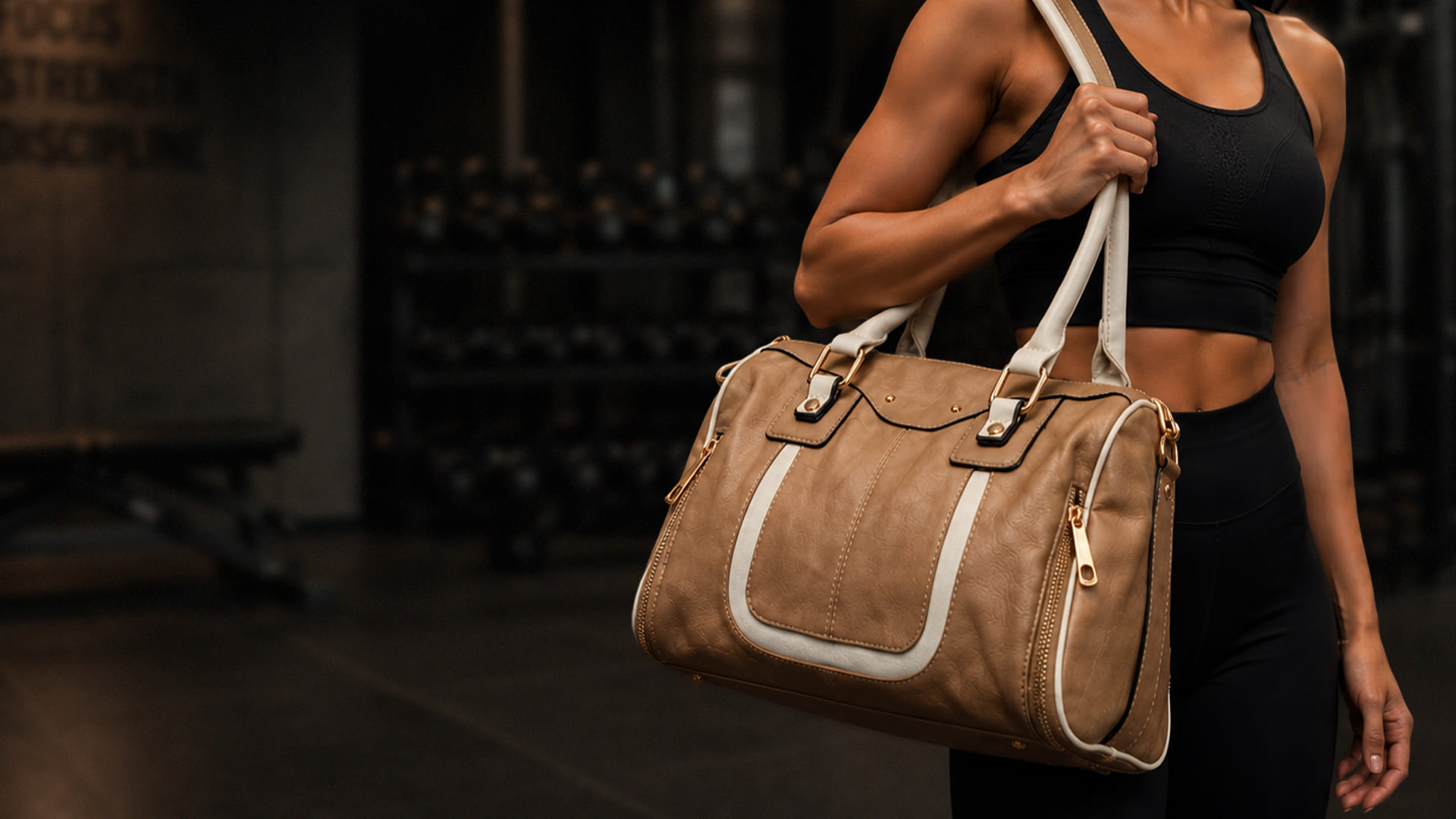
How Texture Can Make a Simple Handbag More Interesting
Elaborate decoration is not needed in the case of a simple handbag for making an impression. How a bag looks and feels at times can change completely due to the smallest surface detail. With texture, depth, contrast, movement, and personality is introduced, without requiring any dramatic shapes or excessive embellishments.
When its surface is woven, quilted, embossed, gathered, or softly grained, a smooth silhouette can suddenly feel more expressive. Besides, how a handbag interacts with an outfit also changes with texture. This can make even understated styling feel more considered. How different textures influence appearance must be understood. This helps in choosing and styling handbags much easier.
Why Texture Matters in Handbag Design
The greatest attention, when people think about handbags is given to color and shape. However, texture is an area that has the same influence on the overall appearance altogether. Imagine having two handbags with exactly same rectangular silhouette and neutral color. While one has a completely smooth surface, the other features subtle woven detailing.
Even though their dimensions are identical, noticeably different visual impressions are created by both. Texture affects the way light falls across a handbag. Smooth materials may reflect light evenly, while raised, woven, pebbled, or quilted surfaces create small areas of light and shadow. These variations give the eye more to explore.
As a result, texture can make a relatively straightforward handbag design appear visually layered without making it look overcrowded.
Texture Creates Depth Without Extra Decoration
One of the biggest advantages of texture is its ability to add detail without relying on additional ornaments. A handbag does not necessarily need decorative hardware, bold prints, oversized attachments, or contrasting panels to create interest. Surface experiments alone can introduce enough variation.
Consider quilting. The repeated stitching creates raised and recessed sections across the bag. Even when the entire handbag uses one color, those sections produce visible dimension. Pleating works differently but achieves a similar effect. Folds create lines and shadows that change depending on how the bag is positioned.
This makes texture particularly useful for people who enjoy understated accessories but still want something visually distinctive.
Smooth Textures Create a Clean Impression
Smooth surfaces often give handbags a streamlined appearance. Because there are fewer interruptions across the material, attention naturally moves toward the silhouette, construction, handles, closures, and other structural elements. This can work particularly well with sharply defined handbag shapes.
However, smooth does not necessarily mean visually plain. Small differences in sheen can create subtle interest. A matte surface produces a different impression from one with a gentle reflective finish. Smooth handbags can also provide useful contrast when worn with heavily textured clothing. A sleek bag paired with a chunky knit, for example, creates visual separation between the accessory and the outfit.
The simplicity of the surface allows surrounding textures to stand out.
Woven Details Bring Visual Movement
Woven textures immediately introduce pattern without requiring printed graphics. The repeated crossing of material creates natural lines that guide the eye across the handbag. Depending on the scale of the weave, the effect can range from subtle to highly noticeable.
Fine weaving can provide understated detail that becomes clearer when viewed closely. Larger woven sections make texture a central design feature. Woven surfaces can also soften structured handbag shapes. A rigid rectangular silhouette may appear less severe when its exterior contains interlaced detailing.
Because the pattern comes from construction rather than printing, woven texture can make a single-color bag feel surprisingly dynamic.
Quilting Adds Dimension
Quilting is another effective way to transform an uncomplicated handbag. Stitching creates repeated sections that rise slightly from the surface, producing depth. Squares, diamonds, curved lines, and other patterns can each influence the character of the finished design.
Larger quilted sections often create a softer visual effect, while smaller patterns can make the surface appear more intricate. The direction of the stitching matters as well. Diagonal lines may create movement, while horizontal or vertical patterns can reinforce the overall structure of the bag. A handbag can therefore remain relatively minimal in color and silhouette while quilting provides the visual focal point.
Grain Adds Subtle Character
Not every texture needs to be immediately noticeable. Fine grain or lightly pebbled surfaces offer a quieter approach. From a distance, the handbag may look relatively simple. At closer range, however, small surface variations become visible. This type of texture works particularly well when someone wants a versatile handbag with understated character.
Grain also changes how light interacts with the surface. Instead of producing one continuous reflection, tiny variations scatter light across the material. The result can make a plain color appear more dimensional. For minimalist wardrobes, this restrained form of texture can introduce interest without competing heavily with clothing.
Gathered and Ruched Surfaces Feel Expressive
Gathering and ruching create a very different visual language. Rather than relying on repeated geometric patterns, these techniques produce irregular folds and soft shadows. The handbag can consequently appear more relaxed and fluid.
This texture works especially well on softer silhouettes because the material itself becomes part of the shape. As the bag moves, folds may shift slightly, changing its appearance from different angles. That movement gives the accessory a less rigid character. A monochromatic handbag with gathered detailing can therefore make a strong visual statement even without contrasting colors or prominent decorative elements.
Texture Can Balance an Outfit
Texture becomes especially useful when styling handbags with clothing. An outfit made largely from smooth fabrics can benefit from a textured handbag because the accessory introduces contrast. A woven, quilted, or pebbled surface breaks up the visual uniformity. The reverse approach also works. If an outfit already includes multiple textures, a smoother handbag can provide balance and prevent the overall combination from feeling too busy.
The goal does not always need to be matching textures. Contrast often creates greater visual interest. For example, pairing a structured textured handbag with flowing clothing can create an appealing difference between firmness and movement.
Combining Texture With Color
Color and texture influence each other. On darker handbags, raised textures can become noticeable through highlights and shadows. On lighter shades, woven patterns, stitching, and grain may appear softer but still contribute dimension.
Bright colors combined with strong textures can create a highly expressive accessory. Neutral shades paired with pronounced texture usually provide a quieter way to introduce detail. When choosing a handbag, it can therefore help to consider color and surface together rather than considering them as separate design decisions.
A simple color does not automatically produce a simple-looking handbag when texture is involved.
How Much Texture Is Enough?
There is no single answer because the appropriate level depends on personal style and the rest of the wardrobe. Someone who regularly wears patterned or highly detailed clothing may find that a lightly grained or subtly embossed handbag provides enough variation. Someone who prefers plain clothing might enjoy stronger quilting, weaving, pleating, or gathering.
Scale also matters. Small textural details tend to appear restrained, while larger patterns command more attention. The handbag's size can influence this effect too, since broad surfaces provide more room for texture to become visible. Thinking about proportion helps keep the accessory connected to the overall outfit.
Simple Does Not Have to Mean Plain
A handbag can have a straightforward silhouette, limited color palette, and minimal hardware while still being visually engaging. Texture makes this possible by turning the surface itself into a design feature. Woven construction can create movement. Quilting can introduce dimension. Grain can provide subtle character. Gathering can add softness, while smooth finishes can offer contrast against textured clothing.
The key is understanding that visual interest does not always come from adding more elements. Sometimes it comes from changing how a surface looks, catches light, and interacts with surrounding materials. When chosen thoughtfully, texture can give even the simplest handbag enough depth and personality to become an important part of an outfit.
